Meter-Tested Diagnosis
Continuity and resistance tests on both elements and thermostats. The failed part is identified by measurement, never by swapping parts until something works.
An electric water heater is a simple machine with a short list of failure points — two heating elements, two thermostats, and the power feeding them. We test each one with a meter, show you exactly which part failed, and replace only that part.
A standard electric tank heats water with two elements. The upper element heats the top of the tank first; the lower element keeps up with demand. When the upper element dies, you get no hot water at all. When the lower one dies, showers run cold halfway through.
Kyle's water makes both fail faster. At 275–295 mg/L hardness, mineral scale coats the elements, insulating them until they overheat and burn out — and sediment collecting on the tank floor buries the lower element entirely. Our guide to Kyle's water hardness explains the chemistry; the short version is that electric heaters here need their elements tested, not assumed.
Two more parts complete the picture. The dip tube carries incoming cold water to the bottom of the tank; when it cracks or breaks, cold water short-circuits to the hot outlet and showers turn lukewarm even with both elements healthy. And the high-limit switch on the upper thermostat is the safety that cuts power when water overheats — when it trips repeatedly, it is reporting a fault, not causing one. A proper diagnosis tests all of it, in circuit order, before a single part is ordered.
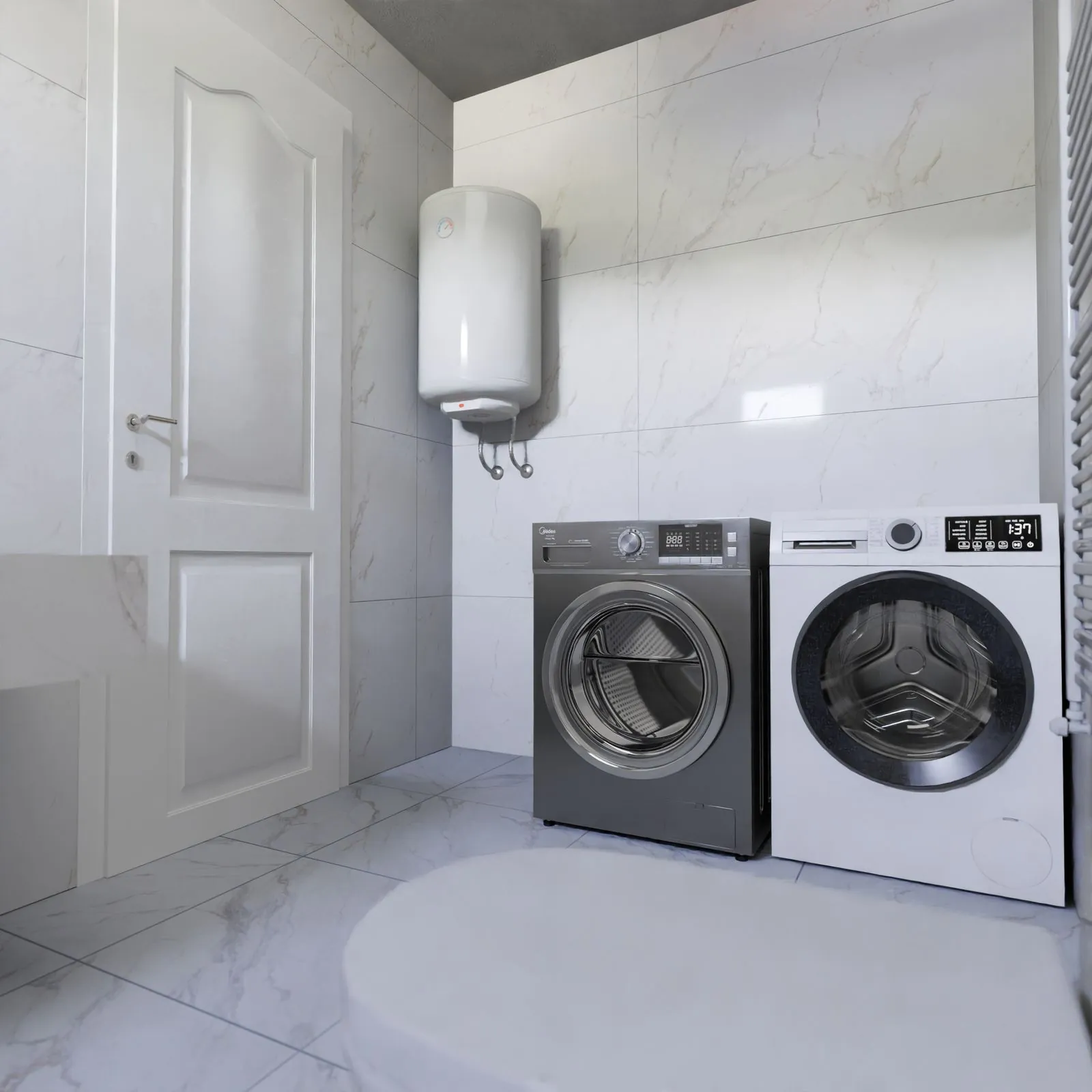
Electric faults are provable. We prove them — then fix the one thing that is actually broken.
Continuity and resistance tests on both elements and thermostats. The failed part is identified by measurement, never by swapping parts until something works.
If one element has failed, one element gets replaced. You see the test result and the quote before we open a toolbox.
A tripping breaker is a symptom, not an annoyance. We trace the short, check the wiring and disconnect, and set the thermostats to a safe 120°F.
Replacing an element without clearing the sediment that killed it invites a repeat. We flush the tank as part of the repair visit, check the anode rod while the tank is down, and leave you with a realistic picture of the unit's remaining life.
The part that failed, access to the unit, and the tank's condition set the price. Full breakdown in our water heater repair cost guide.
The most common electric repair. Cost turns on which element failed, its wattage and length, and whether the tank needs draining to reach it.
A T&P valve, drain valve, or element gasket leak is repairable. A leak through the tank wall is not — that is a replacement, and we will show you why.
An older tank on its second or third element is usually telling you something. We lay out repair cost against replacement cost and the unit's age — you decide.
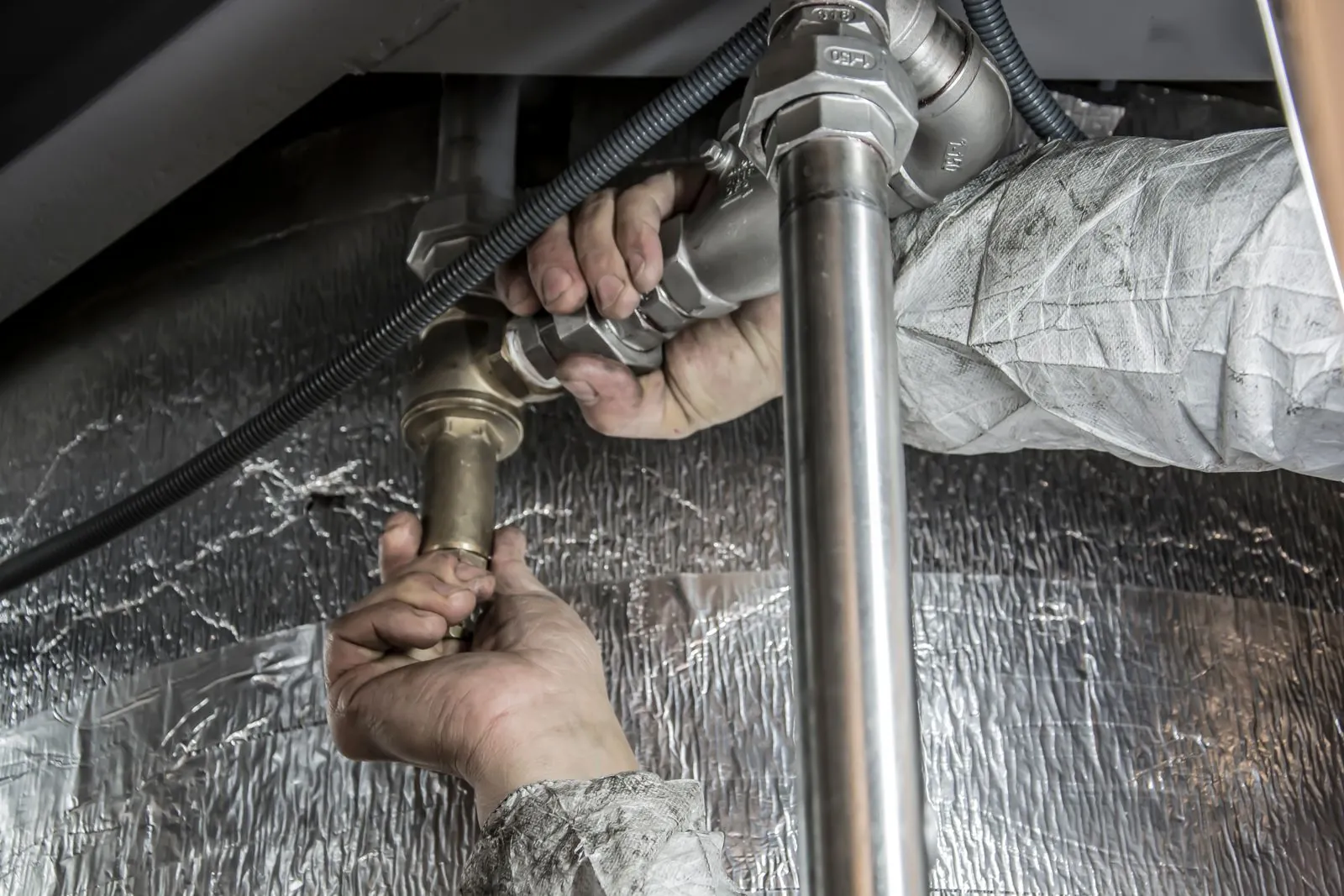
Power is cut at the breaker and verified dead before any panel comes off. Water supply isolated, tank drained only as far as the repair requires.
Power is cut at the breaker and verified dead before any panel comes off. Water supply isolated, tank drained only as far as the repair requires.
Both elements and both thermostats are tested for continuity and resistance. The failed component is identified by numbers — and shown to you.
The failed part is replaced with the correct wattage and size, gaskets renewed, and the tank flushed of the sediment that contributed to the failure.
Tank refilled before power returns — never dry-fired — then temperature, breaker behaviour, and leak checks confirm the repair before we leave.
The symptoms Kyle homeowners describe most — and what is actually wrong behind each one.
Showers start hot, then fade — the classic sign the lower element has failed and only the top of the tank is heating.
Element meter-tested, replaced, tank flushed of the sediment that buried it.
Upper element failure, a tripped high-limit switch, or a dead upper thermostat — the whole tank goes cold.
Power, reset button, element and thermostat tested in order until the break is found.
A shorted element leaking current to ground will trip the breaker every time the heater tries to run.
The short is located by test, the element replaced, and breaker behaviour verified under load.
A thermostat stuck on or failed off drives temperature to extremes in either direction.
New thermostat fitted and set to 120°F — hot enough for comfort, safe against scalding.
Work through it in order: a tripped breaker or a tripped high-limit reset button on the upper thermostat stops everything. After that, the usual suspects are a failed heating element — the upper element failing means no hot water at all, the lower one failing means you run out fast — or a dead thermostat. Each cause is provable with a meter in minutes, which is why we test before replacing anything.
A breaker that trips repeatedly is usually protecting you from a shorted heating element — the element's casing cracks, water reaches the live coil, and current leaks to ground. A failing thermostat or damaged wiring can do it too. Do not keep resetting the breaker: the fault needs testing and the failed part replacing.
Repair when the tank is sound and the fault is a part: elements, thermostats and valves are all replaceable. Replace when the tank itself leaks, corrosion is visible at the base or fittings, or the unit is old enough that one repair will chase another. We will show you the tank's condition and the numbers both ways, then let you decide.
It depends entirely on where the water is coming from. A leak at the T&P valve, drain valve or a fitting is a parts-level repair. A leak through the tank wall itself cannot be repaired — the unit has to be replaced. That is why we find the source first and quote the actual job; our cost guide explains the factors and the published national ranges.
Elements are wear parts, and Kyle's very hard water — 275–295 mg/L in the city's 2025 report — coats them in mineral scale that makes them run hotter and fail sooner. Annual flushing to clear sediment, and replacing a scaled element before it shorts, are the two habits that stretch an electric heater's life here.
Check the breaker, then call us with what you find. The pattern you describe points us straight at the part to test.
We serve all of Kyle — one city, one ZIP code. Electric tanks sit in garages, closets, and attics from Plum Creek's earliest streets to the newest phases of Waterstone, and the failure pattern is the same everywhere: Kyle's hard water working on the elements.
Not sure whether your heater is electric or gas, or whether the fault is the breaker? Start with our no-hot-water diagnosis guide, then call with what you found.
Tell us the pattern — cold, lukewarm, or tripping breakers — and we will test it properly.
Call Us Now →Call or send a request — tell us the symptom pattern and where the unit sits, and we will confirm your visit.